
-
Rigged or Resilient? Testing Claims About U.S. Election Security
Introduction Donald Trump’s repeated claims that American elections are “rigged” and “the most dishonest” in the world have reshaped public debate, but they sit uneasily beside a growing body of technical, legal, and empirical evidence. This report examines how secure U.S. elections actually are. We first assess recent changes in… Listen ⇢

-
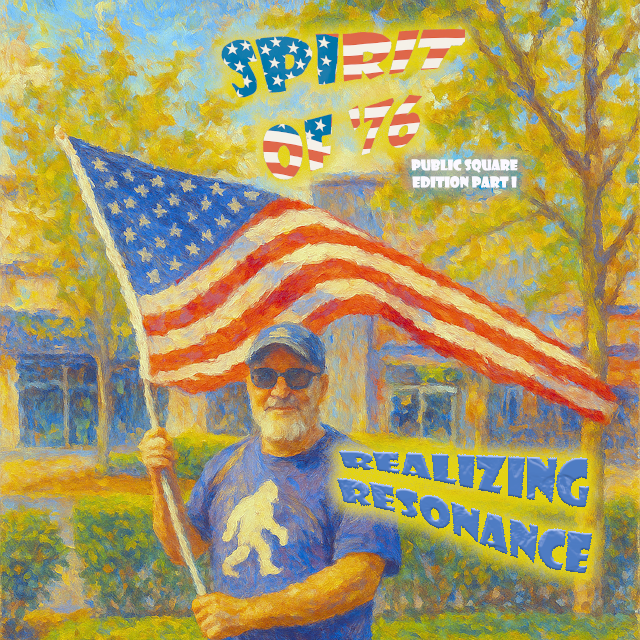
AI Lyric Analysis: “Spirit of ’76” by Realizing Resonance
This is more insightful than I was expecting. Spirit of ‘76By Realizing Resonance Verse:We stand upon the shoulders of giantsForefather penned our wordsNow with this fifty state allianceLook back on these accordsDeclaration of freedom and equalityUnalienable rightsFor the pursuit of happinessWe continue to fight Pre-chorus:I pledge allegiance to theI pledge… Listen ⇢
-
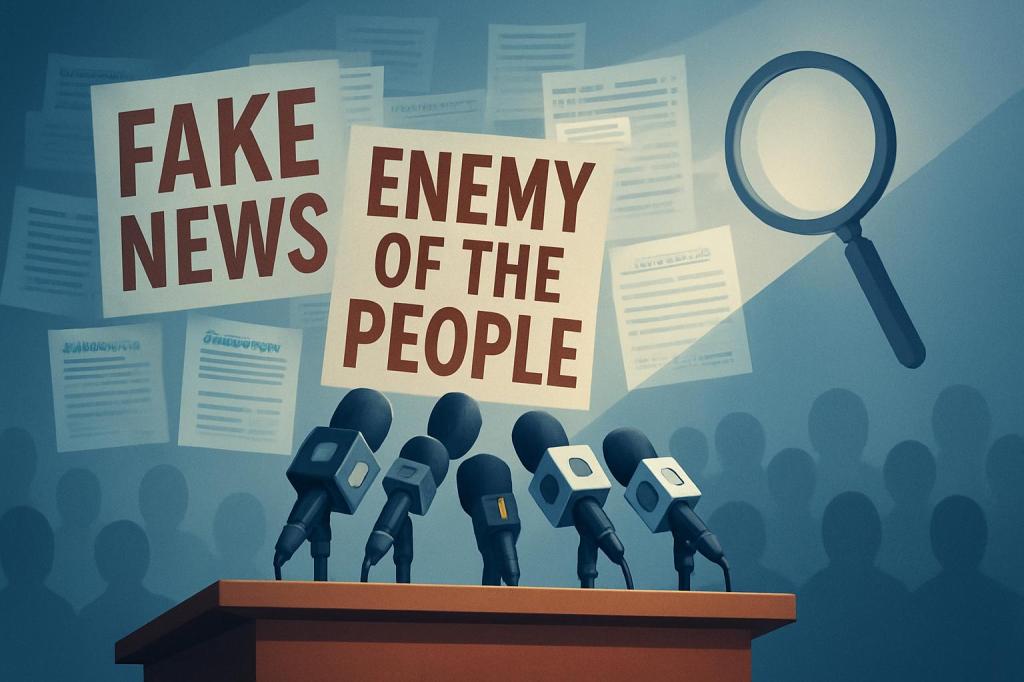
“Fake News” or Fair Critique? Trump’s Press Attacks, Defamation Suits, and the First Amendment
Introduction This report examines whether President Trump’s recurring claims that the press is “fake news” and an “enemy of the people”—alongside his frequent defamation threats and lawsuits—amount to fair accountability or a strategic campaign to delegitimize scrutiny. It first explains the legal terrain: why New York Times v. Sullivan, “actual malice,”… Listen ⇢
-
Still Self‑Evident? Liberty in the Declaration and in American Life Today
Introduction “Life, Liberty, and the pursuit of Happiness” remains the most famous promise of the Declaration of Independence—and a persistent question for modern Americans. This report examines which elements of that founding ideal still function as universal values today and how they are being reinterpreted. It first traces the enduring… Listen ⇢

-
Spirit of ’76 Theme for June: Liberty
It is June 2026 and for this month the Spirit of ‘76 theme is Liberty. We have covered Stoicism, History, Religion, War, and Tyranny, setting the stage for the discussion to turn to Liberty just in time for the 250th anniversary of the Declaration of Independence. Liberty is the condition… Listen ⇢
-
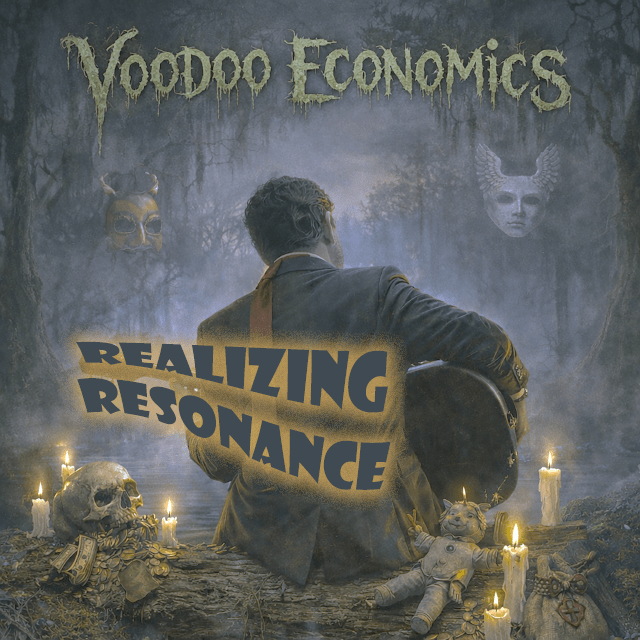
Contraband Conundrum #1: Voodoo Economics
Welcome to the first Contraband Conundrum! The first Contraband song will be “Voodoo Economics“! The Contraband Conundrums are puzzles that if solved will provide passwords to protected pages where you can listen to a featured Contraband Edition song. This is an exclusive opportunity. Contraband Conundrum #1 The password is the… Listen ⇢
-
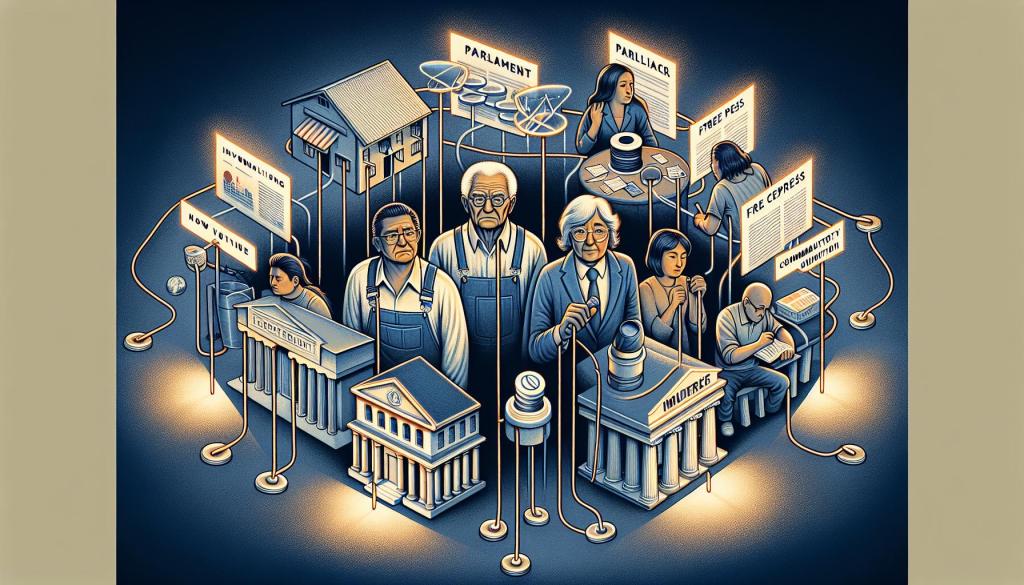
Everyday Defenders: How Citizens Prevent Tyranny
Introduction Tyranny rarely arrives with tanks at the palace gates. It seeps in through “reforms” that hollow out courts, rewrite electoral rules, capture media, and turn opponents into enemies. This report explains how ordinary people—not just judges or politicians—can stop that slide. We first map the hidden guardrails of liberal… Listen ⇢
-
Are Cosmological Constants Really Fine-Tuned?
Introduction Claims that the universe is “fine-tuned for life” often leap quickly from physics to theology, treating delicate-looking numbers as de facto evidence for God or Intelligent Design. This report steps back to ask a narrower, technical question: what is the actual evidence that cosmological constants and related parameters are… Listen ⇢

-
Sadopopulism: When Populism Turns Cruel
Introduction This report examines sadopopulism as a perverse mutation of populism in which pain, not prosperity, becomes the central political offering. Classic populism promises to take power or resources back from captured elites and deliver them to “the people.” Sadopopulism keeps the rhetoric but reverses the substance: leaders deliberately worsen… Listen ⇢

-
Subscribe
Subscribed
Have a WordPress.com account? Log in now.

