-
Madman Theory Playlist Top 10
10. “The Trees” — RushA fable in which the maples and oaks argue over sunlight and status, until the “trees” appeal to outside authority to resolve the conflict. The “law” steps in and forces equality by literally making them the same. The lyrics relate to tyranny by showing how power… Listen ⇢
-
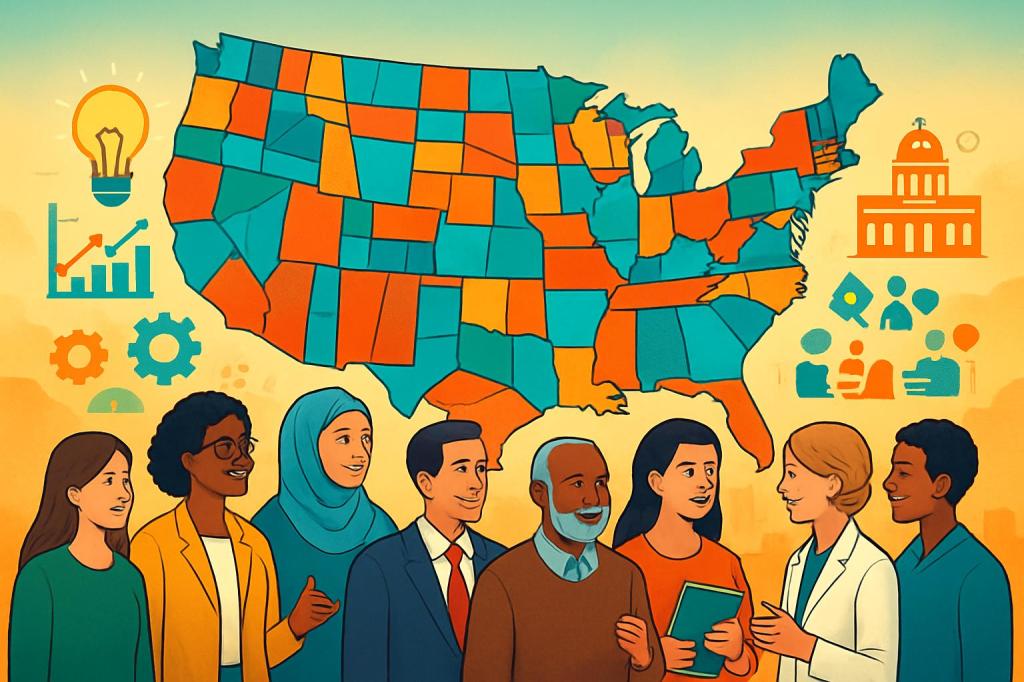
Demographic Diversity and the American Advantage
Introduction America’s demographic diversity—across race, ethnicity, religion, gender, and immigration status—has shifted from backdrop to central driver of national performance. This report assesses how that diversity fuels the U.S. economy, shapes civic life, and differentiates America among modern nations. We first examine the “diversity dividend” in innovation, entrepreneurship, and productivity,… Listen ⇢
-
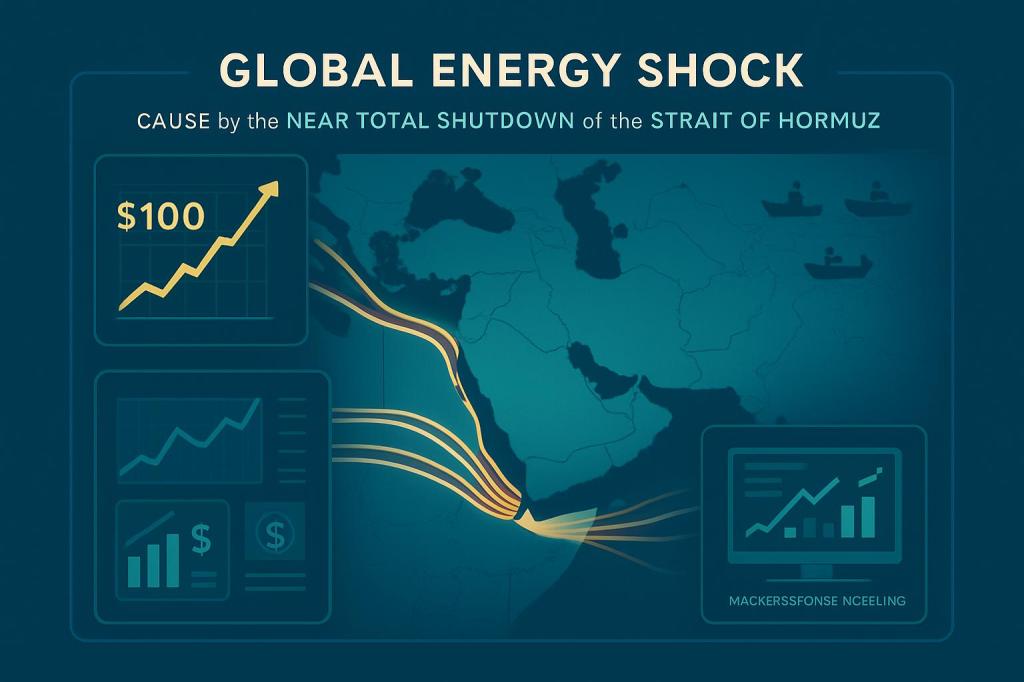
The Largest Energy Shock in History: Will the Hormuz Closure Trigger Global Recession?
Introduction Ten weeks into the near‑total shutdown of the Strait of Hormuz, the world is confronting the largest oil supply disruption on record. Around one‑fifth of global oil and gas flows has been choked off, pushing prices above $100 per barrel and testing the resilience of energy, trade, and financial… Listen ⇢
-
From Democracy to Disguise: How Free Societies Slide Toward Tyranny
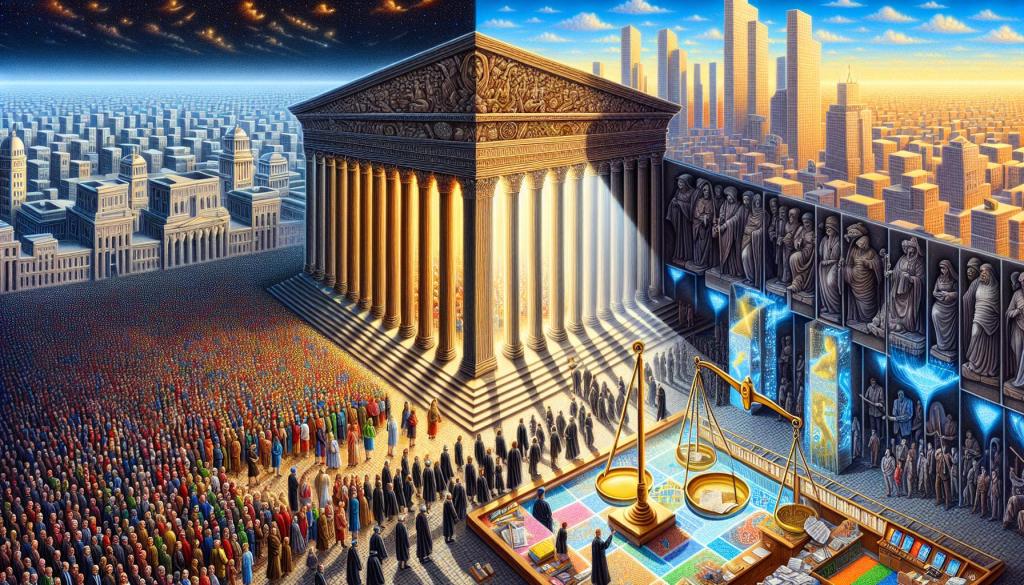
Introduction Tyranny in the twenty‑first century rarely announces itself with coups or shuttered parliaments. Instead, it advances behind a democratic mask: leaders win competitive elections, then steadily reorder the system to entrench themselves. This report traces that transformation from three angles. First, it maps the new pathways of democratic decay,… Listen ⇢
-
Did Obama Commit Treason? Law, Intelligence, and the Politics of Accusation
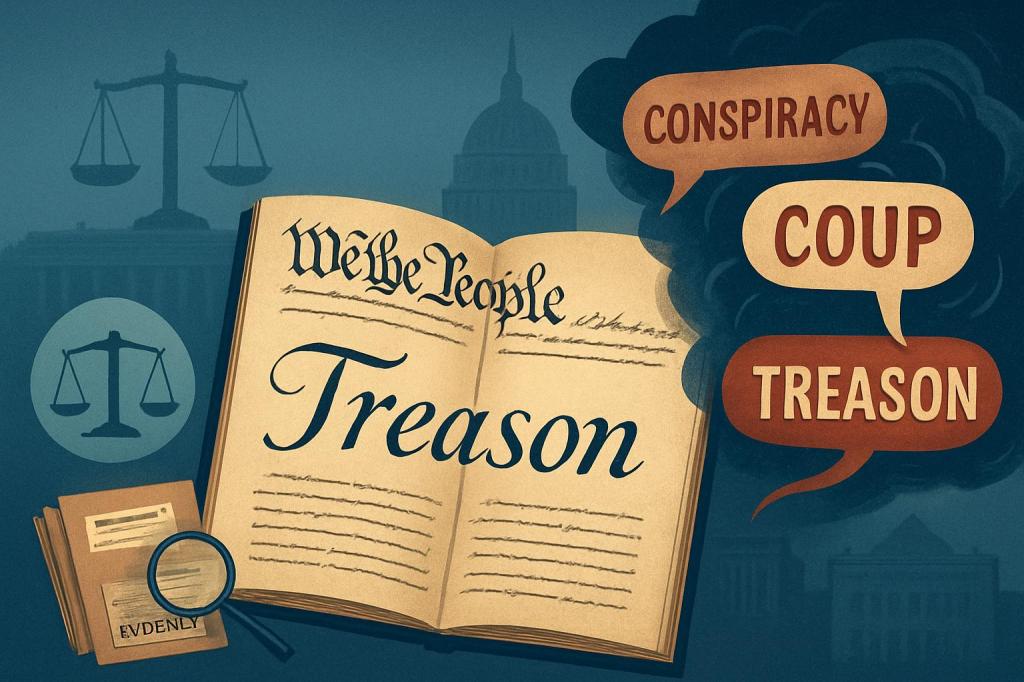
Introduction Donald Trump’s repeated claims that Barack Obama committed “treason” over the 2016 Russia investigation raise a stark question: can contested intelligence judgments and investigative choices by a president ever meet the Constitution’s narrow definition of that crime? This report parses the legal meaning of treason, reviews what is actually… Listen ⇢
-
From Slavery to “Race-Blindness”: Why Equality Requires Equity
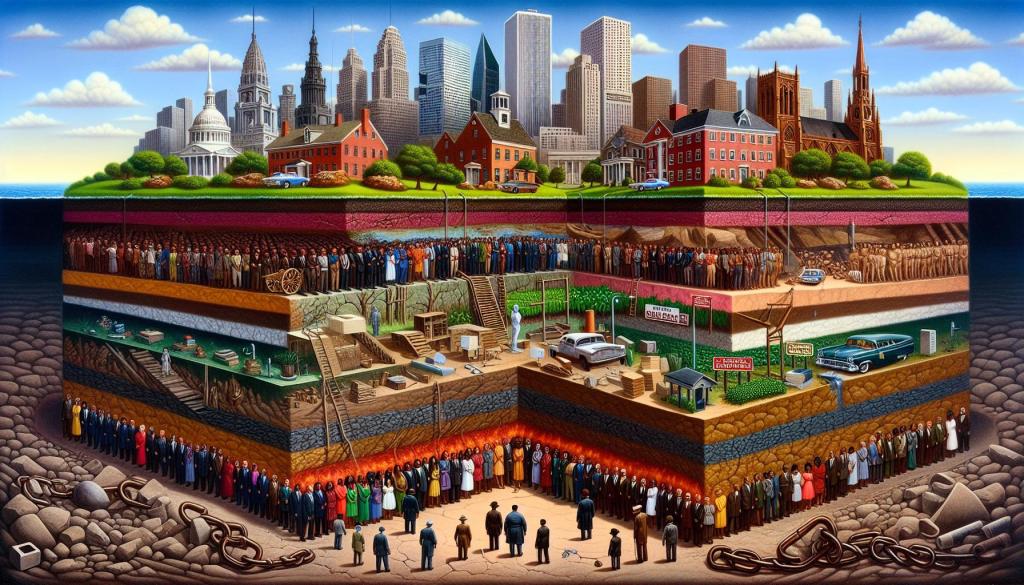
Introduction This report asks whether a nation built on slavery, segregation, and racially targeted policy can reach genuine equality without explicitly embracing equity. It traces how U.S. law and institutions—from slavery and Jim Crow through the G.I. Bill and “race-neutral” social programs—created and preserved racialized distributions of wealth, education, and… Listen ⇢
-
“A Republic, Not a Democracy”?
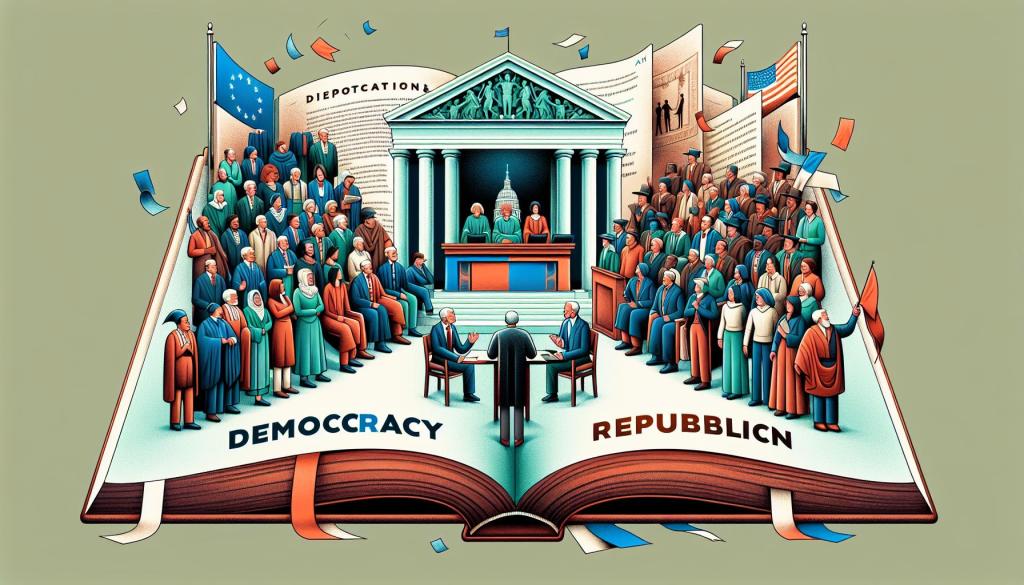
Introduction Public debates in the United States often hinge on a sharp‑sounding claim: America is “a republic, not a democracy,” and democracy—especially in the form of ballot initiatives and referendums—is little more than mob rule. This report unpacks that rhetoric historically and empirically. First, it examines how the framers actually… Listen ⇢
-
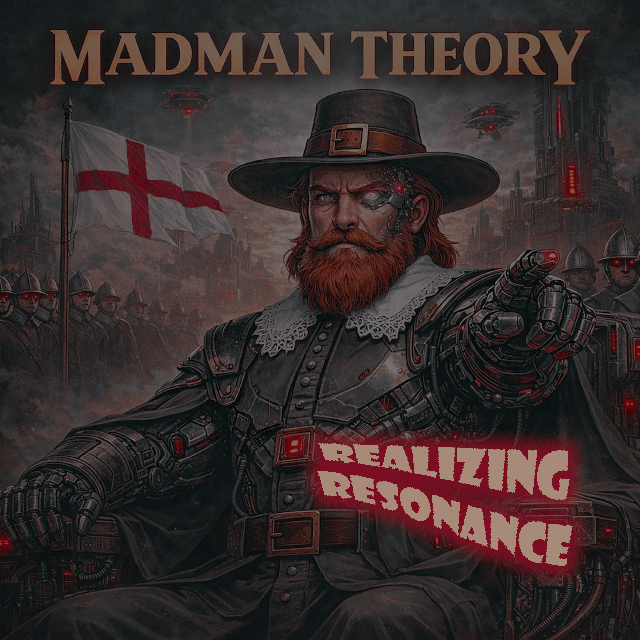
AI Lyric Analysis: “Madman Theory” by Realizing Resonance
What does AI think about the song “Madman Theory”? Madman TheoryBy Realizing Resonance Verse 1:Madman theoryMadman diaryWord salad medleyThe weave Bedlam tapestry Chorus:If I can’t have your loveI will be your fearLook to me aboveBow to leader dear Verse 2:The brain worms feastDevolve to the beastIn chaos, displeasedIncoherence increased Chorus:If… Listen ⇢
-
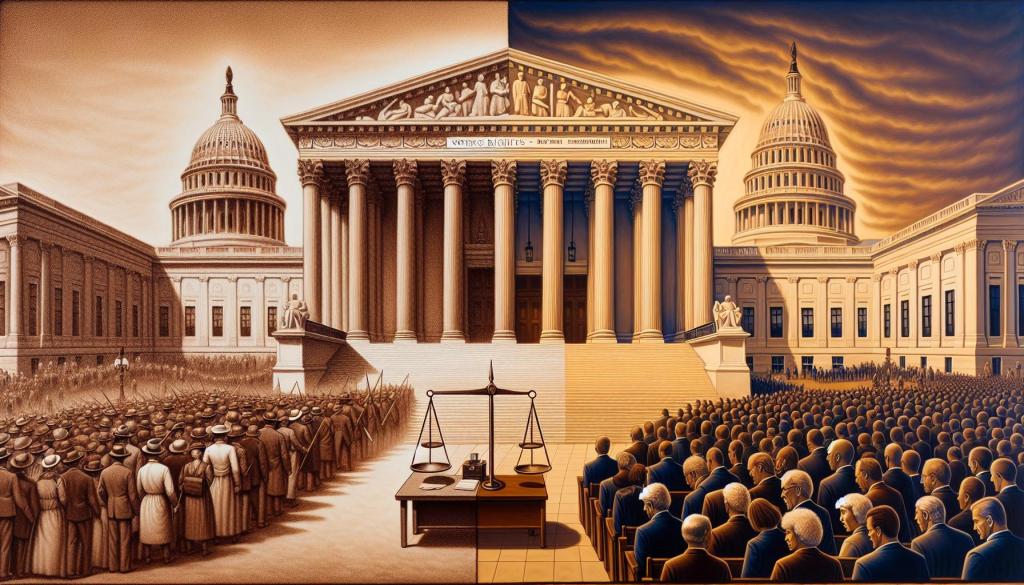
From Reconstruction to Roberts: The Supreme Court’s Rewriting of the Voting Rights Act
Introduction This report examines how the Supreme Court, in Shelby County v. Holder and Callais v. United States, has reshaped the constitutional foundations of the Voting Rights Act (VRA). It first traces the historical arc from Reconstruction’s broad vision of congressional enforcement power to the Roberts Court’s elevation of “equal sovereignty” and strict… Listen ⇢
-
Subscribe
Subscribed
Have a WordPress.com account? Log in now.

