
-
Myths We Live By: How False Stories Distort American History
Introduction American political arguments lean heavily on a shared story about the nation’s past—yet much of that story is wrong, incomplete, or deliberately sanitized. This report examines how patriotic lore about the founding era, the Constitution, and the Civil War still frames debates about rights, federal power, and national identity.… Listen ⇢

-
Machine Judgment in War: Can Agentic AI Fight Ethically?
Introduction Advances in large language models and agentic AI systems are rapidly moving from labs to battlefields, raising a pressing question: can machines exercise anything like moral judgment when lives are at stake? This report examines that question through the lens of autonomous weapons and AI-enabled command systems. We trace… Listen ⇢

-
AI Lyric Analysis: “History Lesson” by Realizing Resonance
What does the thinking machine think about “History Lesson”? History LessonBy Realizing Resonance Verse 1:First lesson of historyWe will not learn from itWhy instruct the mysteryWhen nothing comes of it Chorus:I don’t want to repeat the mistakes of the pastI don’t want to feel lost againI don’t want to repeat… Listen ⇢
-
The Supreme Court Rejects Trump’s Global Tariffs: Emergency Powers, Trade, and the Limits of the Presidency
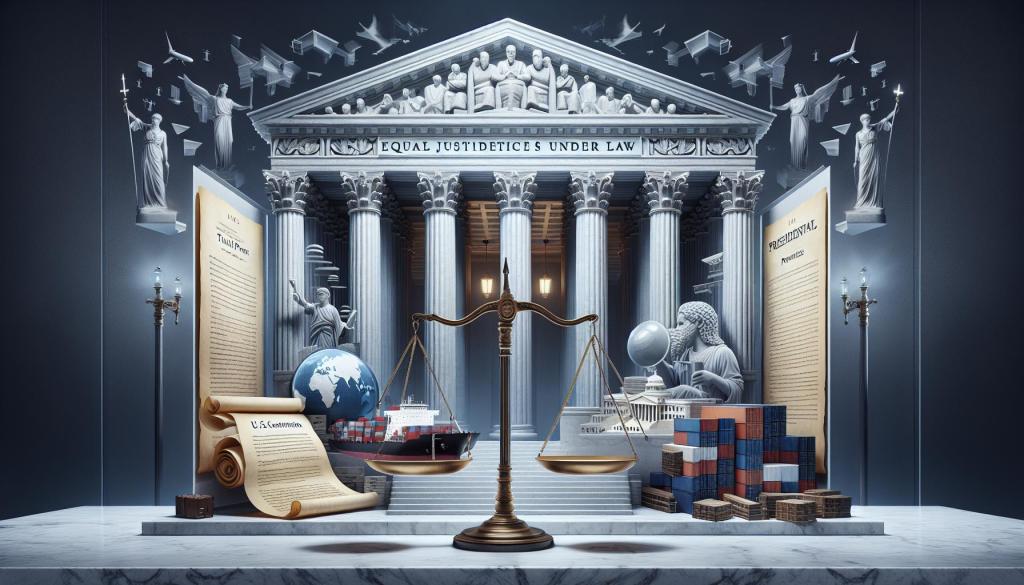
Introduction This report explains the Supreme Court’s 6–3 ruling that President Trump’s global tariff program under the International Emergency Economic Powers Act (IEEPA) was unconstitutional and unauthorized by statute. It first situates the case in the constitutional struggle over who controls tariffs and emergency economic powers, unpacking the majority’s reliance… Listen ⇢
-
Third Lesson of History: It Can’t Be Revised Away
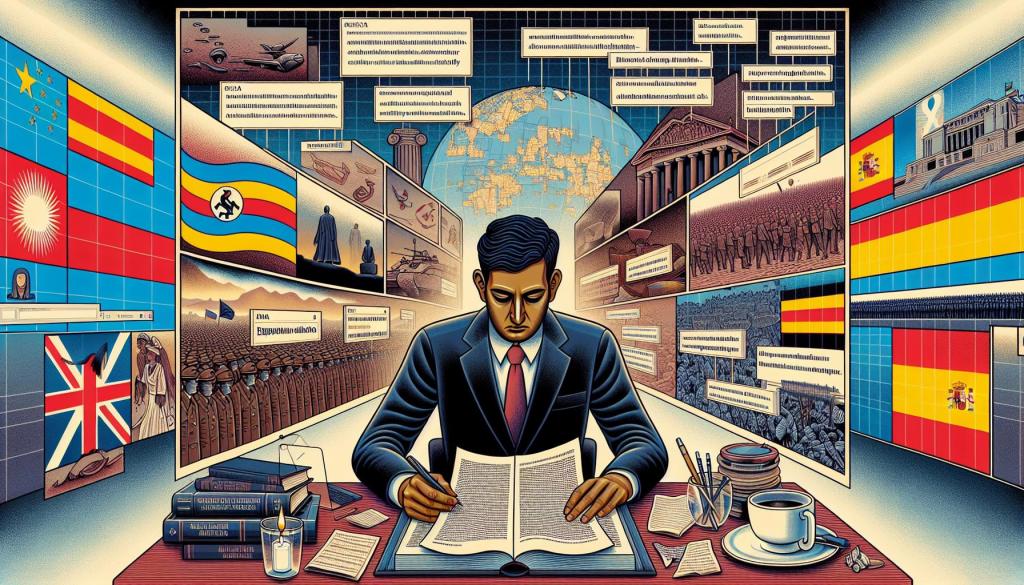
Introduction This paper argues that attempts to rewrite the past invariably leave traces that can be used against them. First, it examines the U.S. Foreign Relations of the United States (FRUS) series as an “archive against amnesia,” showing how bureaucratic record‑keeping both enables and constrains state efforts to sanitize history. It then… Listen ⇢
-
History Lesson Playlist Top 10
10. “Zombie” by The Cranberries – History: The Troubles in Northern Ireland, particularly the 1993 Warrington bombings by the IRA, which killed two children. – About: Dolores O’Riordan wrote it as an anguished reaction to continued violence. The lyrics refer to “1916” and the long legacy of conflict, lamenting how… Listen ⇢
-
AI, Work, and the Next Decade: Jobs Under Pressure, Tasks in Transition
Introduction AI is poised to remake work over the next ten years—not through a sudden jobs apocalypse, but via steady, uneven restructuring. This report first examines macro evidence on AI’s projected impact on employment, highlighting concentrated risks in routine cognitive roles alongside relatively modest net job displacement. It then shifts… Listen ⇢

-
Second Lesson of History: It Doesn’t Repeat, But Rhymes
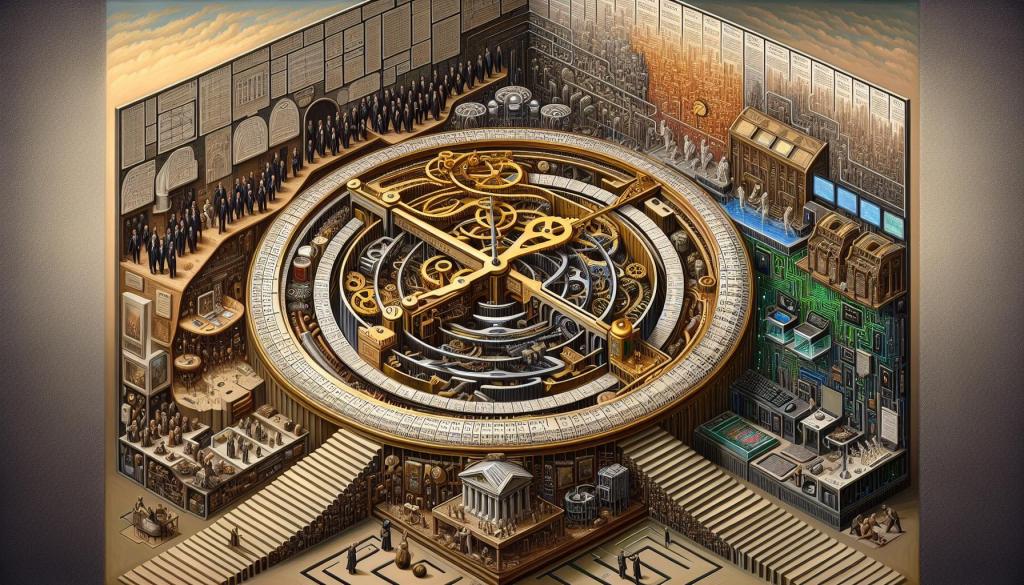
Introduction This paper examines how the alluring idea that “history rhymes” can both clarify and distort our understanding of the past and present. We begin by tracing the evolving meaning of the “second” as a time unit to show how seemingly stable terms can mask radically different underlying mechanisms. We… Listen ⇢
-
Deporting Growth: The Economic Stakes of Mass Immigration Crackdowns
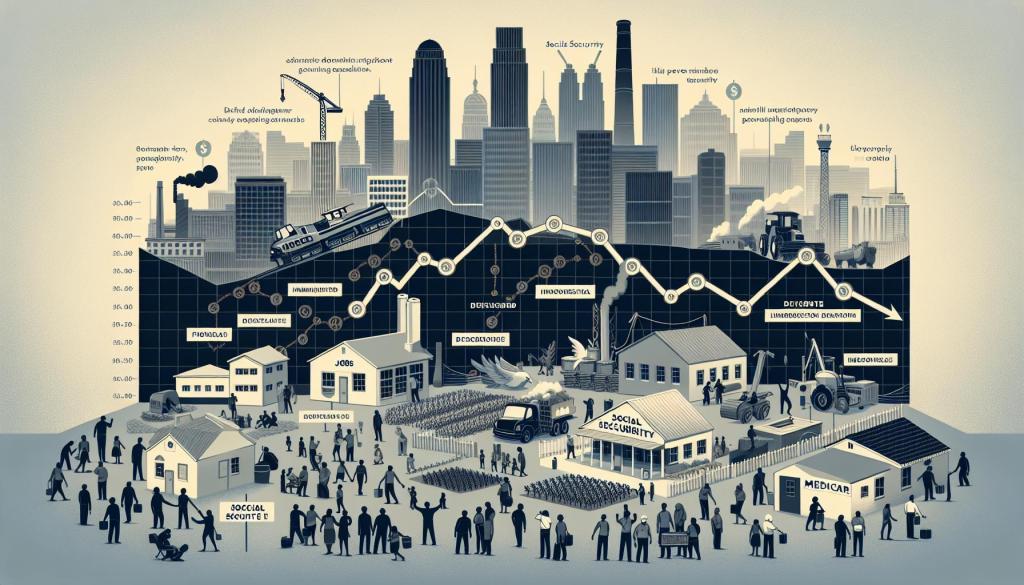
Introduction Mass deportation is often sold as an economic cure-all—freeing jobs, lifting wages, and reducing fiscal burdens. The evidence assembled in this report points in the opposite direction. We first frame deportation as a large negative labor shock, showing how it reduces output, disrupts capital investment, and depresses wages even… Listen ⇢
-
Subscribe
Subscribed
Already have a WordPress.com account? Log in now.
 Realizing News