
-
SpaceX’s $1.77 Trillion Debut: Breakthrough or Bubble?
Introduction SpaceX’s IPO is not just the largest in history; it is a stress test of how far modern capital markets will stretch for a compelling story. This report first situates the $1.77 trillion valuation in historical context, probing whether record deal size reflects genuine intrinsic value or a compressed… Listen ⇢

-
Daniel Bell’s Post‑Industrial Prophecy, Fifty Years On
Introduction This report reassesses how accurately Daniel Bell’s The Coming of Post‑Industrial Society anticipated the world of information, services, and AI‑driven capitalism. It first tests Bell’s “economics of information” against long‑run evidence on deindustrialization, services, and knowledge work, highlighting both his prescience and blind spots. It then examines today’s “algorithmic elites” as… Listen ⇢

-
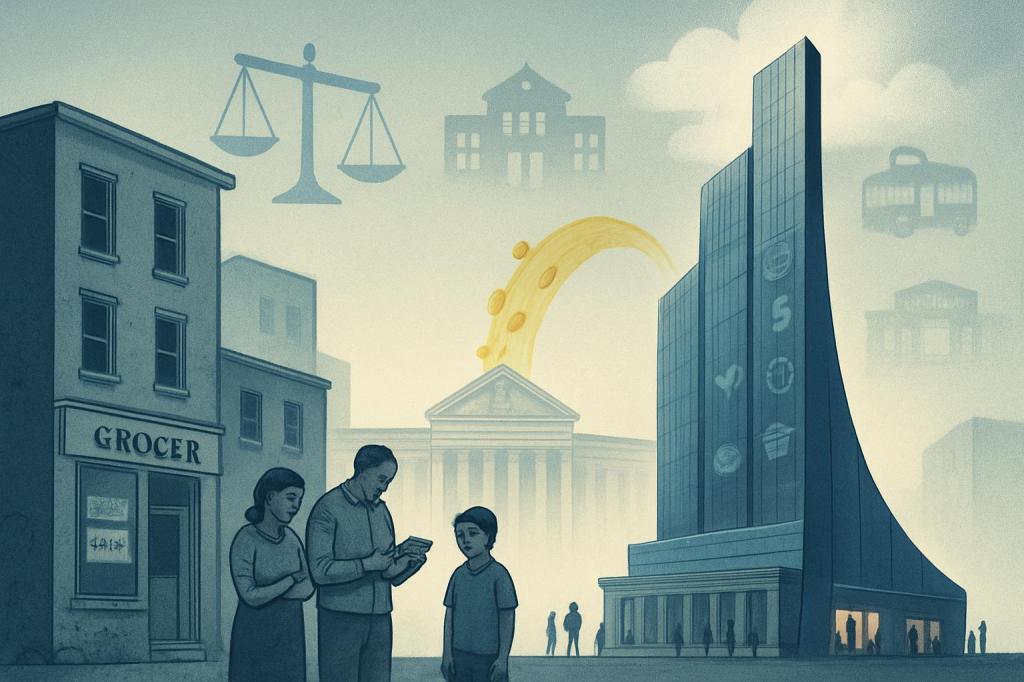
Trillionaires and the Poor: Why Extreme Wealth Is Not Neutral
Introduction As the world edges closer to its first trillionaire, a common claim persists: that extreme individual fortunes are merely symbolic and largely irrelevant to the economic well‑being of lower‑income people. This report examines why that view is misleading. Drawing on evidence from Europe’s billionaire boom, Oxfam’s analysis of prospective… Listen ⇢
-
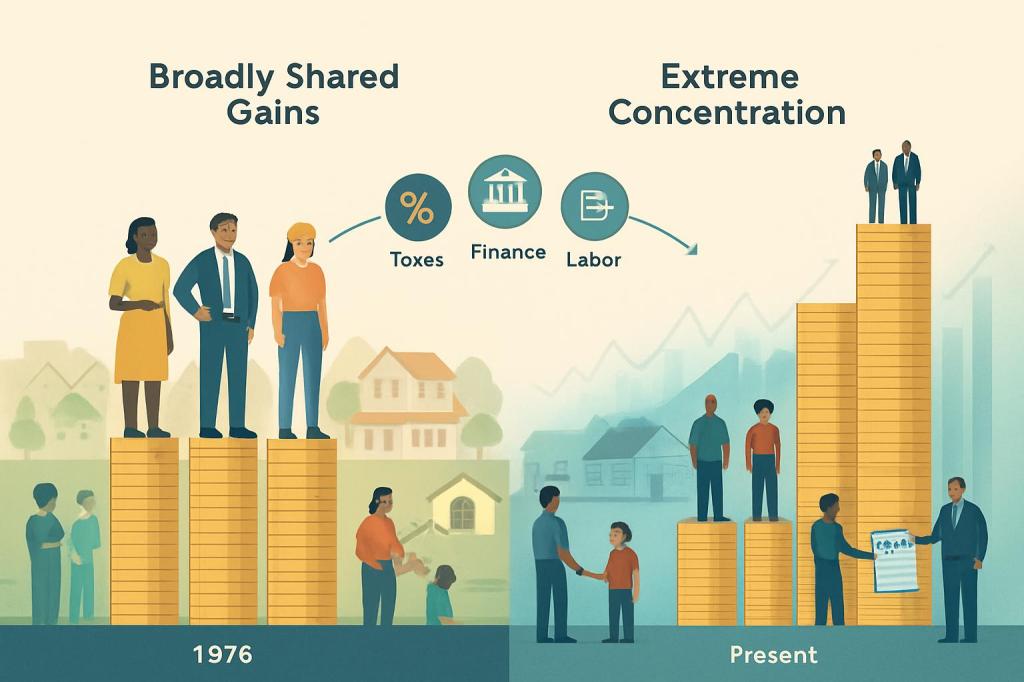
From Shared Prosperity to Concentrated Wealth: U.S. Inequality Since 1976
Introduction Since the mid‑1970s, the United States has moved from an era of broadly shared gains to one defined by extraordinary wealth concentration at the top. This report traces that transformation across four dimensions. First, it reassesses long‑run evidence on top wealth shares and explains why newer data and methods… Listen ⇢
-
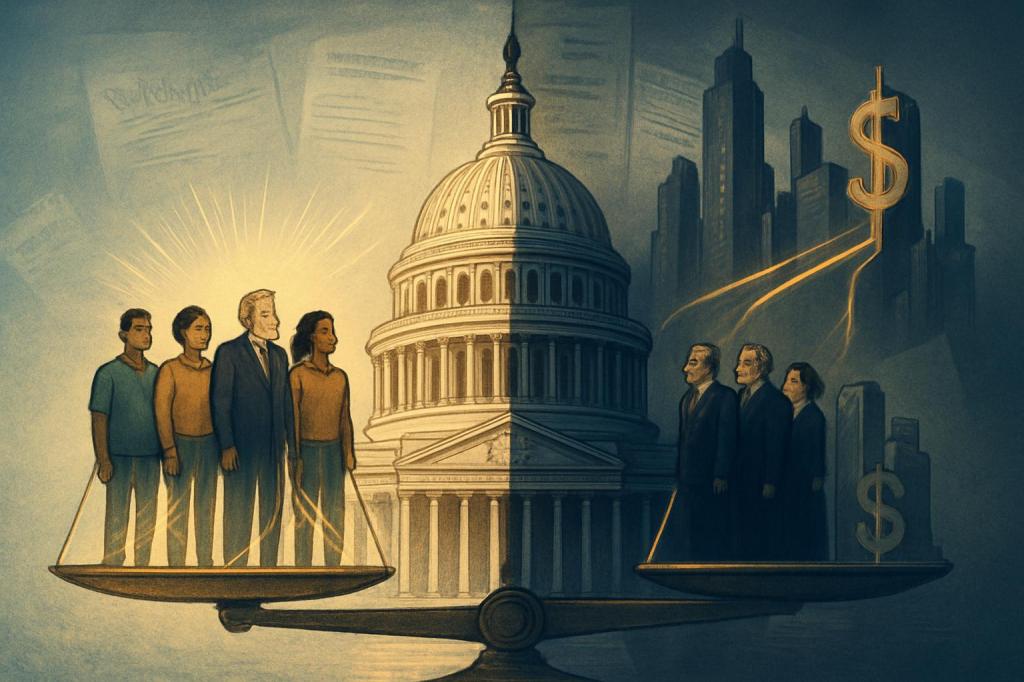
From Democracy to Soft Oligarchy? Wealth, Power, and the American Political Order
Introduction Is the United States still a representative democracy, or has it drifted toward oligarchy? This report traces how, since roughly 1976, rising inequality and shifting legal rules have allowed concentrated wealth to translate into concentrated political power. It begins with the Gilens–Page research showing that policy outcomes track affluent… Listen ⇢
-
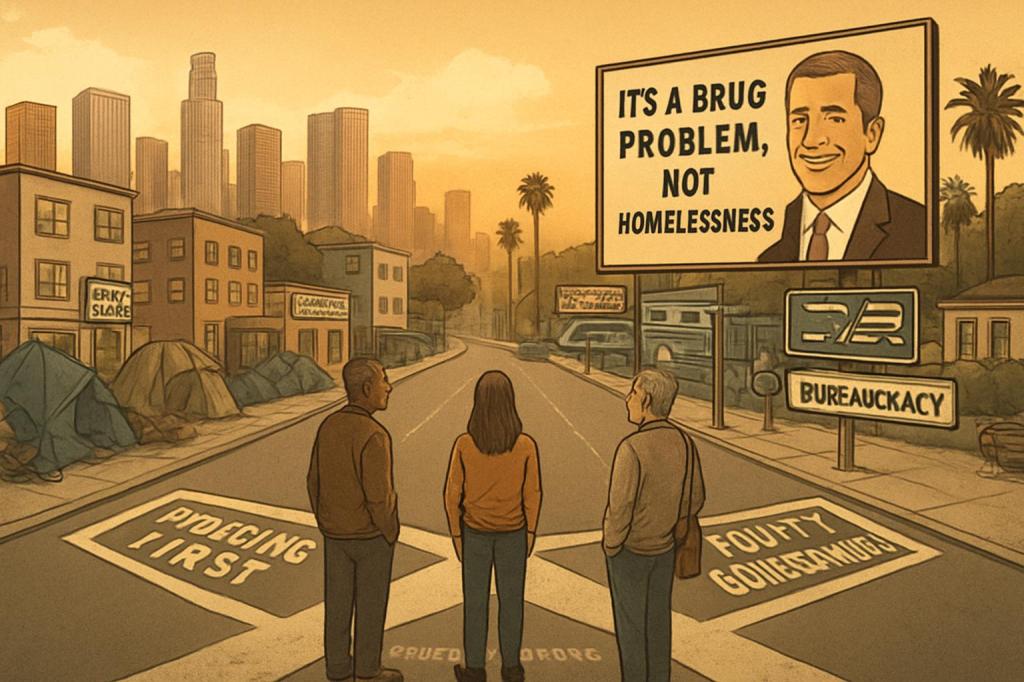
“No Homelessness Problem, Just Drugs?” Spencer Pratt’s Mayoral Plan in Context
Introduction Los Angeles’ homelessness crisis sits at the intersection of housing costs, fragmented governance, and polarized political theater—and Spencer Pratt’s mayoral bid amplifies that tension. This report situates his hardline, treatment‑first platform against three backdrops: the structural limits on any LA mayor’s power; the evidence base around Housing First versus… Listen ⇢
-
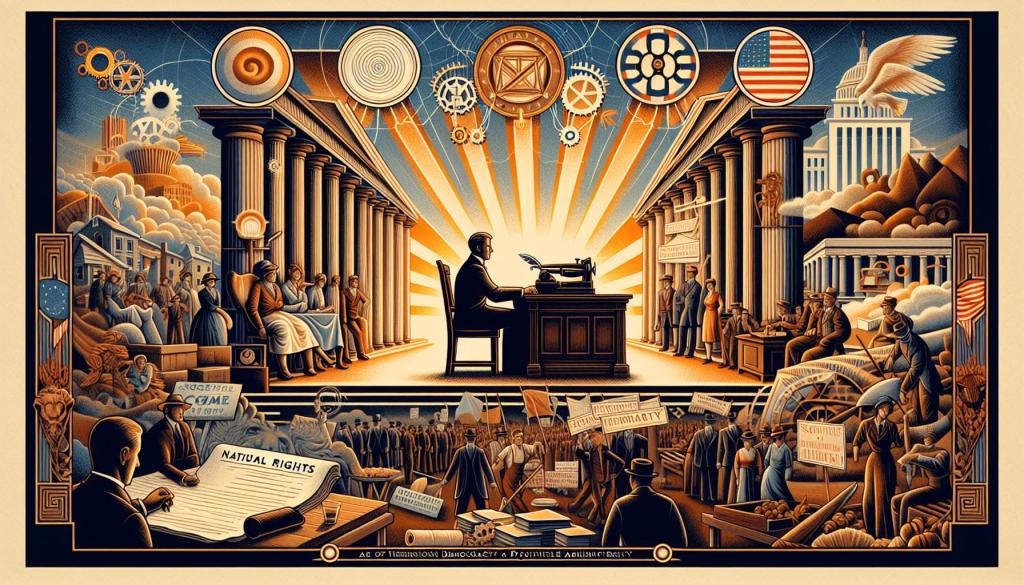
From Natural Rights to the Great Society: The Making of Modern U.S. Liberalism
Introduction Modern American liberalism did not emerge fully formed; it evolved through overlapping philosophical arguments and political struggles stretching from the Enlightenment to the Great Society. This report traces that evolution in three stages. First, it follows the shift from classical natural-rights liberalism to New Deal commitments to social welfare… Listen ⇢
-
Beyond the Count: Homelessness, Governance, and Opportunity in Seattle/King County
Introduction Homelessness in the Seattle–King County region is rising in both visibility and urgency. Recent Point‑in‑Time counts and statewide “snapshot” data show steep increases in sheltered and unsheltered homelessness, driven by structural housing shortages and deep affordability gaps. In response, policymakers have created new regional governance structures, strengthened data systems,… Listen ⇢

-
Slow Counts, Fast Claims: Assessing California’s 2026 Primary Vote
Introduction Donald Trump’s allegations that California’s 2026 primary was “rigged” because of mail voting and slow results tap into a broader, post‑2020 narrative that equates delay with fraud. This report examines whether the length of time it takes California to count ballots is evidence of manipulation—or the predictable result of… Listen ⇢

-
Subscribe
Subscribed
Have a WordPress.com account? Log in now.

