-
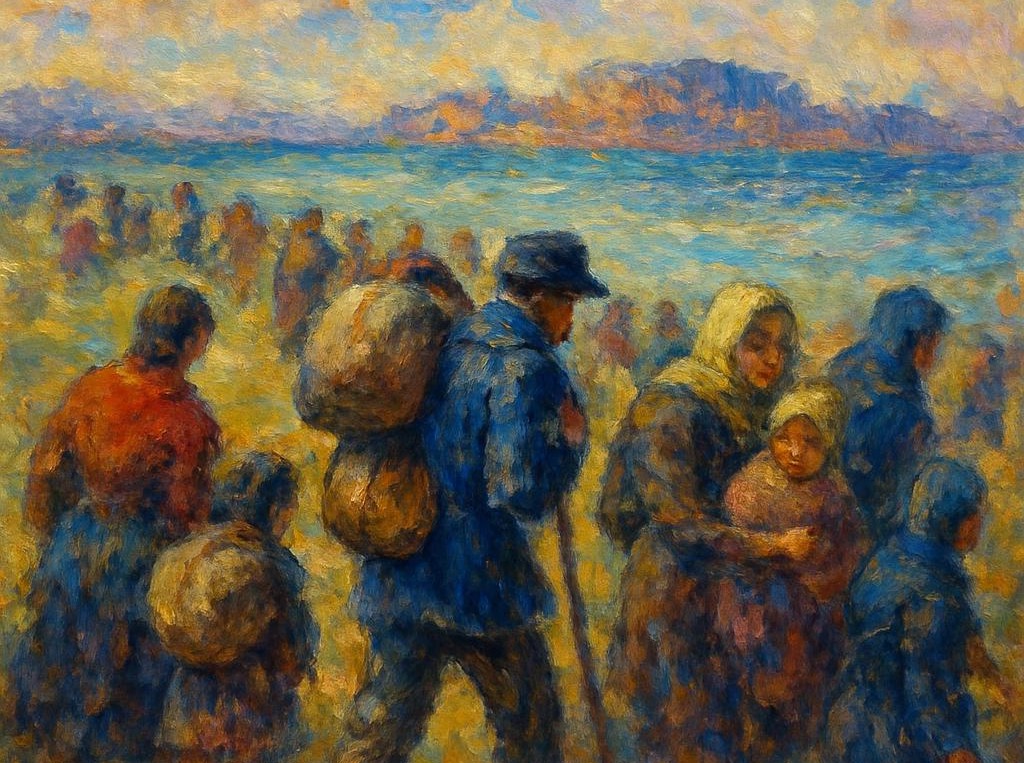
From Signals to Systems: How Futurists Map What Comes Next
Introduction Futurists do not predict a single future; they map structured possibilities. This report explains how that mapping works in practice. It begins by showing how horizon scanning systematically surfaces emerging trends, weak signals, and wild cards, and how these are organized into coherent foresight pathways. It then examines Futures… Listen ⇢

-
Liberty at 250: A Living Project, Not a Finished Promise
Introduction As the United States nears the 250th anniversary of the Declaration of Independence, this report asks how liberty has actually been claimed, contested, and reshaped since 1776. It first examines how the Declaration pairs with later struggles for rights across racial, gender, labor, disability, and Indigenous movements, reframing the… Listen ⇢

-
Birthright Citizenship After the Court’s Latest Word
Introduction Today’s Supreme Court decision upholding birthright citizenship arrives at the end of a long constitutional arc. This report evaluates whether the majority’s reasoning is faithful to that tradition. It first situates the ruling within the text and original public meaning of the Fourteenth Amendment and Wong Kim Ark’s allegiance‑based… Listen ⇢

-
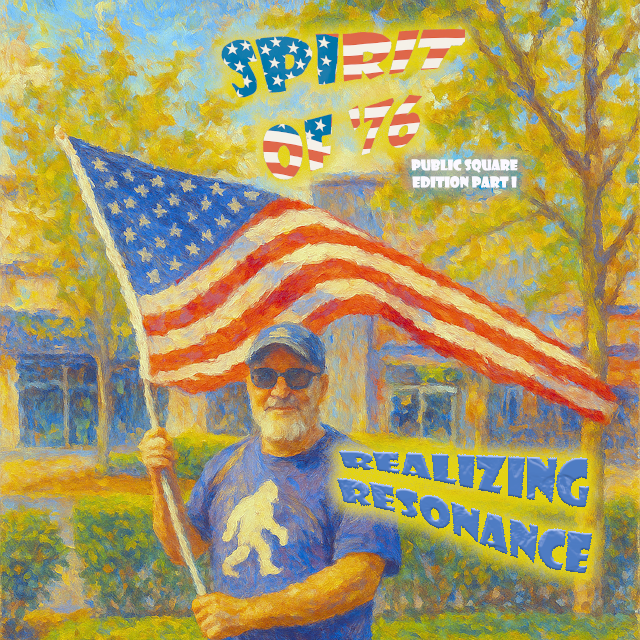
Spirit of ’76 Theme for July: Future
It is July 2026 and for this month the Spirit of ‘76 theme is Future. We have covered Stoicism, History, Religion, War, Tyranny, and Liberty, so we are going in a new direction with a focus on the Future. This will be a detour from politics for a month and… Listen ⇢

-
“Endowed by Their Creator”? God, Rights, and the Meaning of the Declaration
Introduction Does the Declaration of Independence’s claim that rights are “endowed by their Creator” mean that a specifically Christian God is required for human rights to exist? This report explores that question by examining three interlocking themes. First, it analyzes how “self-evident” truths and “laws of nature” function as a… Listen ⇢

-
From Technical Accord to Battlefield Ceasefire: The New U.S.–Iran MOU in Context
Introduction The release of the new U.S.–Iran memorandum of understanding (MOU) marks a sharp departure from the Obama-era Joint Comprehensive Plan of Action (JCPOA). This report compares the dense, multilateral JCPOA with today’s one‑and‑a‑half‑page, bilateral framework across four dimensions. First, it evaluates how far the MOU falls short of JCPOA‑style… Listen ⇢

-
Spirit of ’76 Playlist Top 10
“Star Spangled Banner” — Jimi HendrixHendrix turns the national anthem into a wordless narrative about liberty under pressure. By bending the melody with distortion, feedback, and “bomb” sounds, the performance suggests the promise of freedom colliding with the violence used to defend (or contradict) it—especially in the shadow of war… Listen ⇢
-
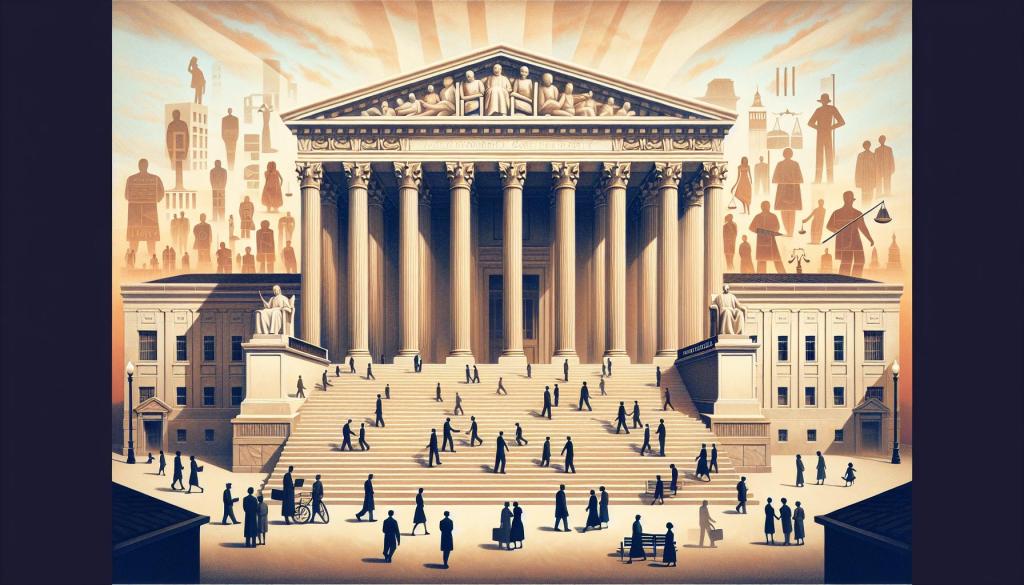
Ordered Liberty in American Constitutional Life
Introduction Ordered liberty sits at the crossroads of theory, doctrine, and lived experience in the United States. This report begins by tracing how the Supreme Court has used “ordered liberty” and “history and tradition” to define fundamental rights under the Fourteenth Amendment, from Palko and Harlan’s “living” tradition through Glucksberg… Listen ⇢
-
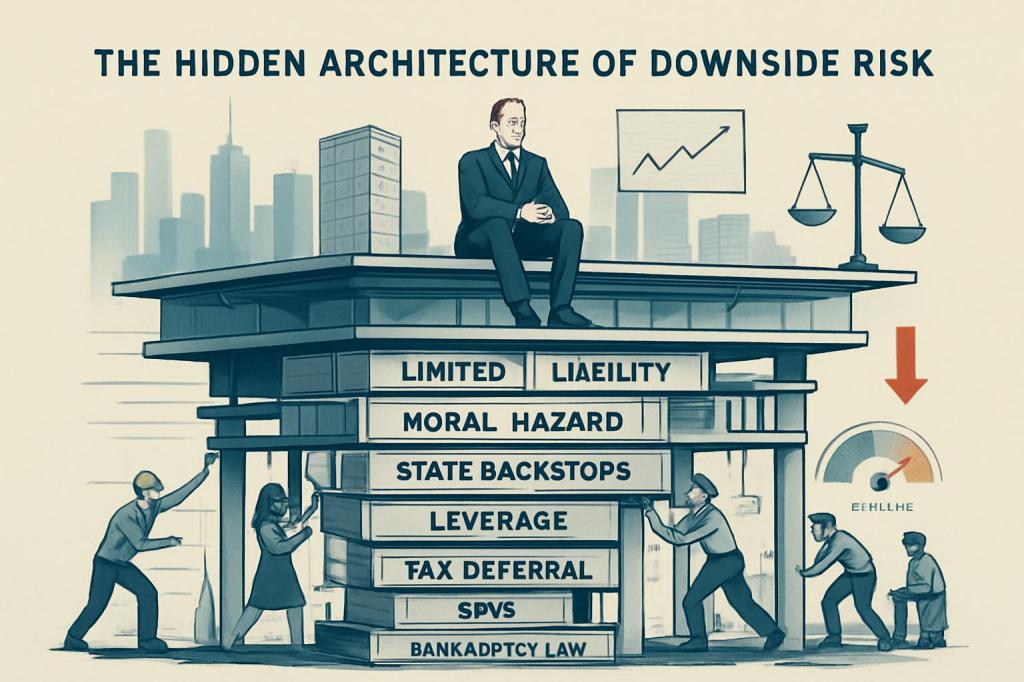
When the “Risk-Takers” Can’t Lose: Billionaires and the Hidden Architecture of Downside
Introduction Extreme concentrations of wealth are often justified as the fair reward for bold risk-taking. This report asks what “risk” really means when the investor is a billionaire—and who actually bears it. We begin by examining how limited liability, moral hazard, and state backstops cap elite losses while shifting catastrophic… Listen ⇢
-
Subscribe
Subscribed
Have a WordPress.com account? Log in now.

