-
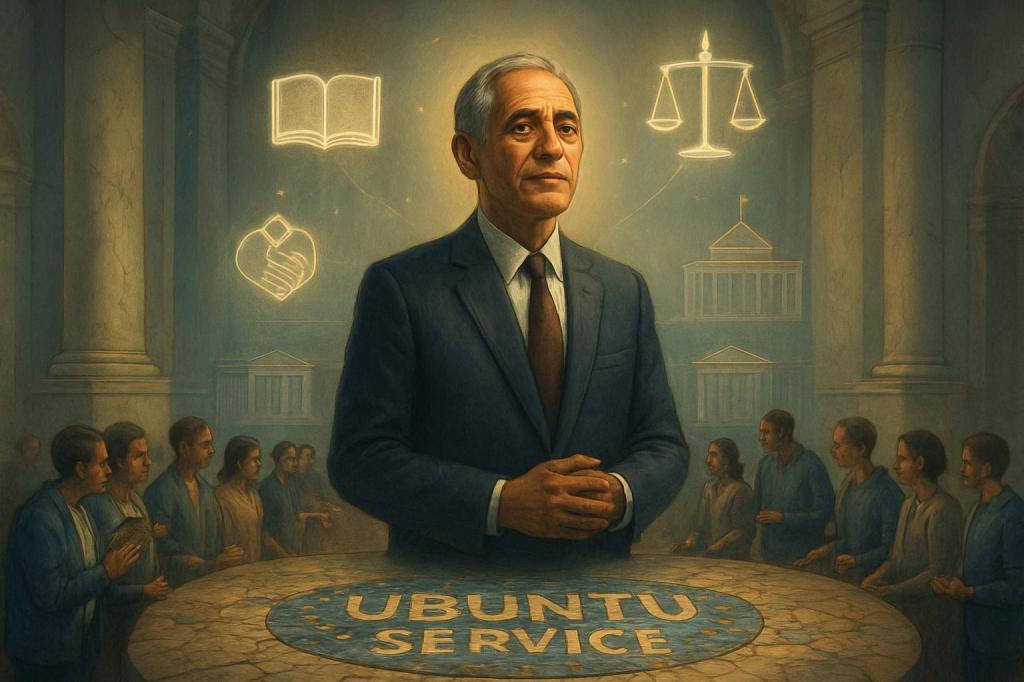
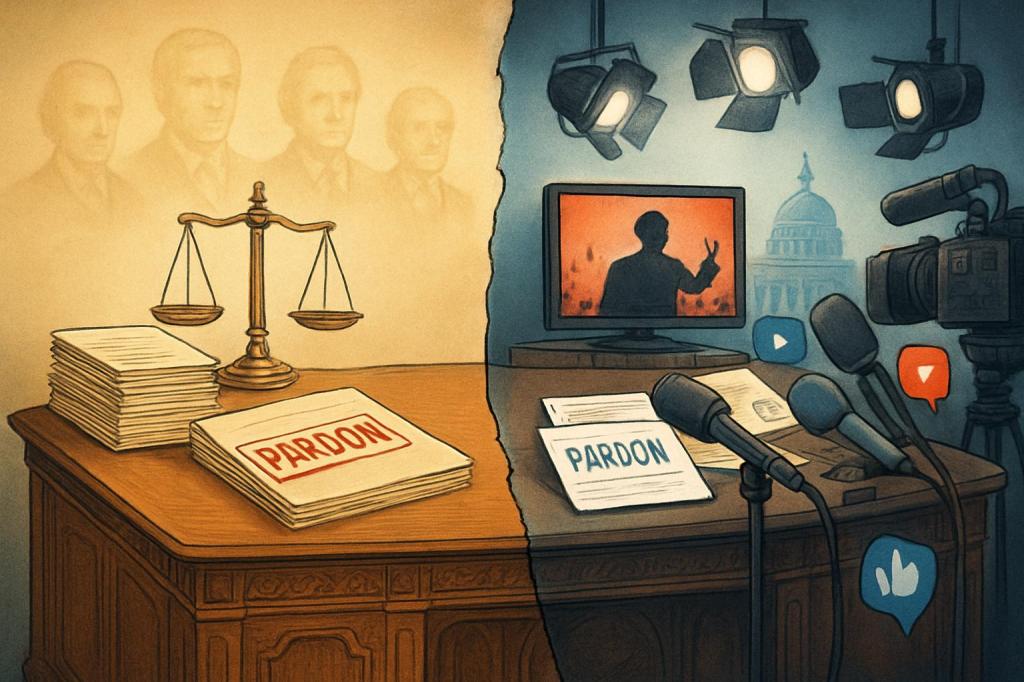
Money, Mercy, and Power: Trump’s Unprecedented Use of the Pardon
Introduction This report examines whether, and how, Donald Trump has used the presidential pardon power in corrupt, self‑interested, and financially exploitative ways. It first contrasts Trump’s clemency with long‑standing norms that emphasize DOJ vetting, remorse, and restitution, highlighting his erasure of billions in victim payments and fines. It then maps… Listen ⇢
-
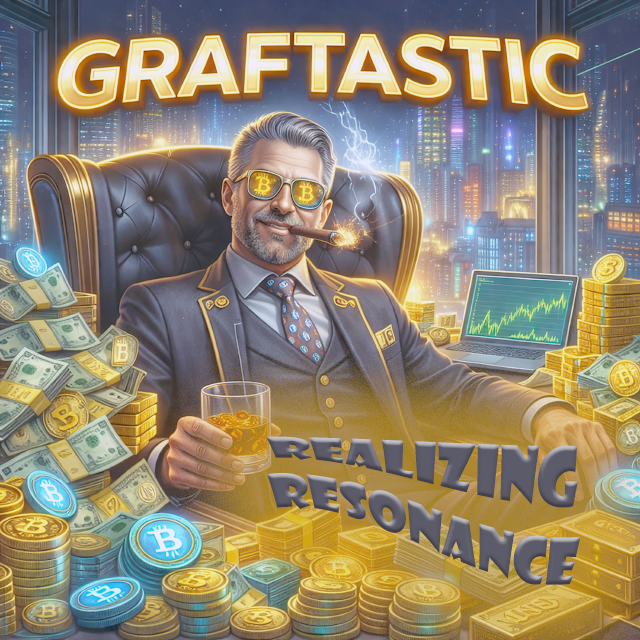
AI Lyric Analysis: “Graftastic” by Realizing Resonance
AI really nailed this one. GraftasticBy Realizing Resonance Verse 1:I’lll take your moneyCan you imagine what tomorrow will bring?Crypto currencyThe fear of missing out has sure gotta stingAre you feeling lucky?Well, don’t you worry, this is a sure thingOh, where’s your money?You look around but I’ve gone missing Chorus:Grift and… Listen ⇢
-
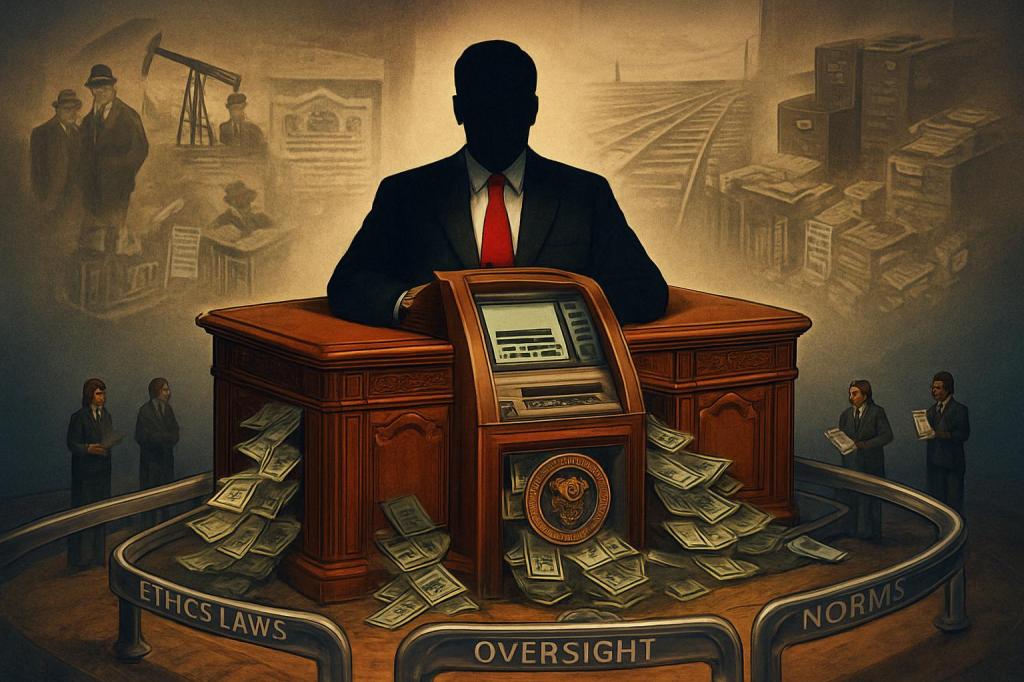
“A Presidency for Sale?”: Trump’s Second Term and the New Face of American Corruption
Introduction This report examines how Donald Trump’s second term transforms the U.S. presidency into a vehicle for continuous self‑enrichment, and how that model compares with America’s most notorious corruption scandals. The first section maps Trump’s expanding conflicts of interest against existing ethics laws and institutional guardrails, showing how routine monetization… Listen ⇢
-
“Socialist in Name Only?”: Nazism, Ownership, and the Modern Myth
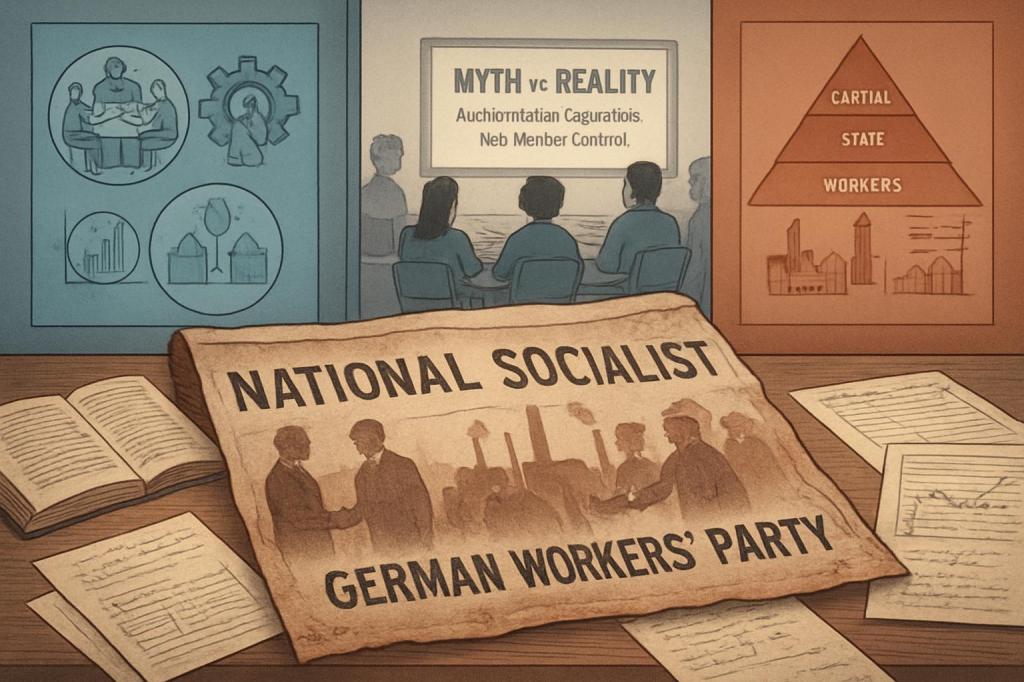
Introduction Was Hitler’s regime genuinely socialist—or has the word “Socialist” in “National Socialist German Workers’ Party” misled later commentators? This report disentangles label from reality. It first examines what “National Socialism” meant in practice, contrasting Nazi governance with core socialist principles. It then compares Nazi economic policy to socialist theory,… Listen ⇢
-
Democratic Socialists, Social Democrats, or Communists? Untangling the American Left
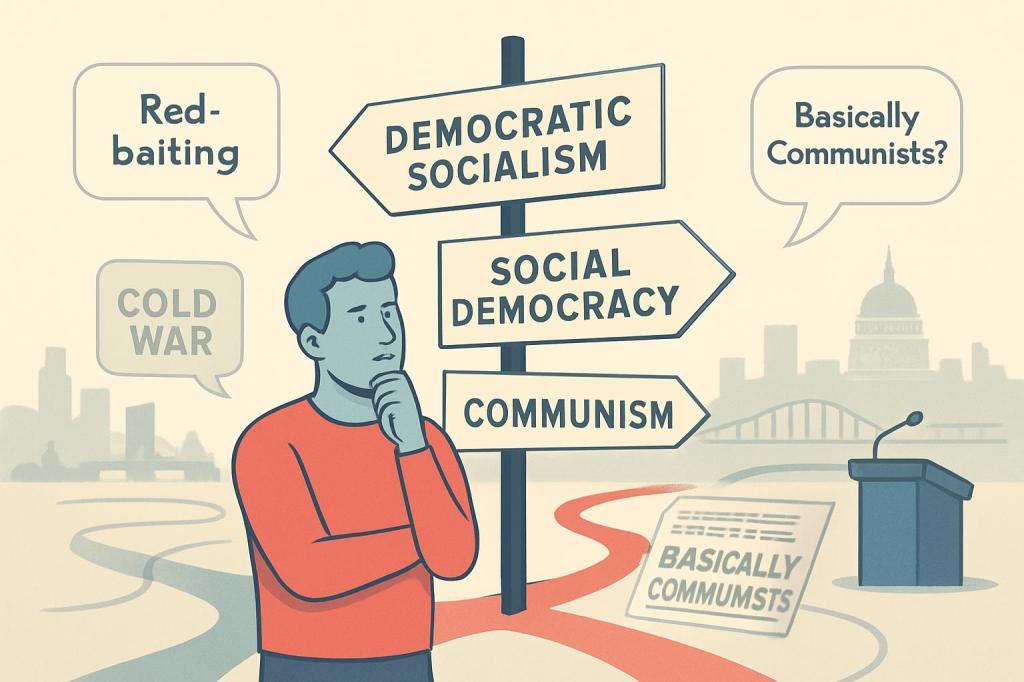
Introduction Republican candidates increasingly brand Democratic Socialists of America–aligned politicians as “communists,” collapsing a wide spectrum of left ideas into a single, ominous label. This report disentangles that rhetoric. First, it clarifies why “communist” is conceptually wrong for most U.S. democratic socialists, whose agendas resemble European social democracy more than… Listen ⇢
-
Universality, Duty, and Dignity: Kant’s Categorical Imperative in Practice
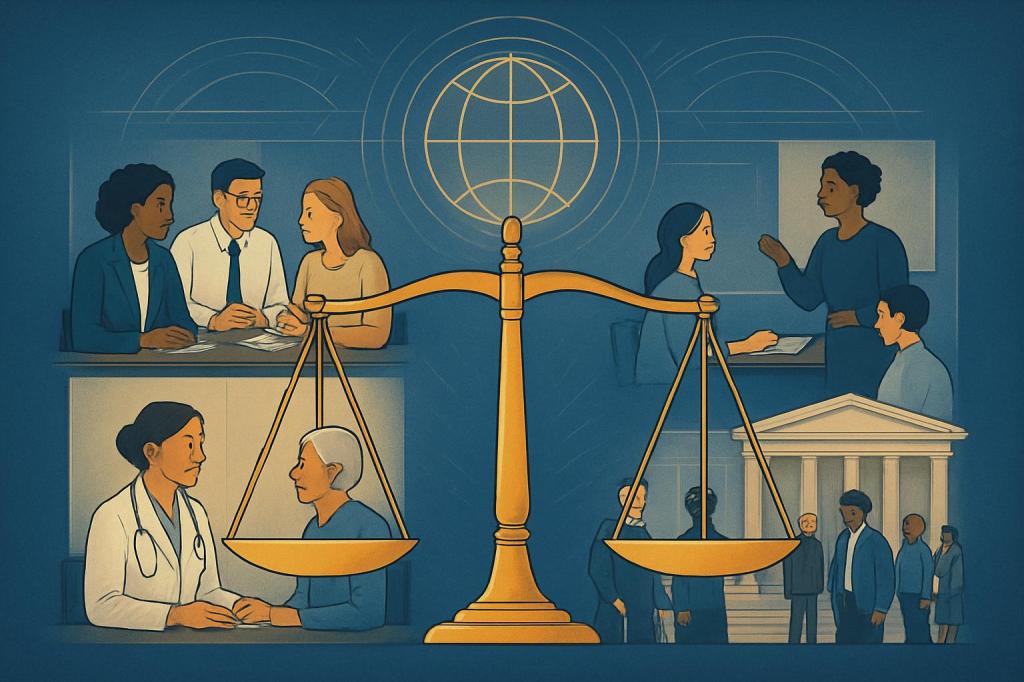
Introduction This report examines how Kant’s Categorical Imperative—and especially the Universality Principle—can guide the fair treatment of people as individuals, citizens, and rights‑bearers. We first clarify what the Categorical Imperative is and how its universal law test works beyond simplistic “what if everyone did that?” slogans. We then move from… Listen ⇢
-
Spirit of ’76 Theme for August: Ethics
It is August 2026 and for this month the Spirit of ‘76 theme is Ethics. We have covered Stoicism, History, Religion, War, Tyranny, Liberty, and Future, so now we need to get it right with Ethics. This will bring us back into the realm of politics. Ethics are the principles… Listen ⇢
-
Will Machines Ever Truly Wake Up?
Introduction Artificial intelligence now rivals humans in language, perception, and strategy, but whether such systems could ever be conscious remains deeply contested. This report approaches the question theory-first, examining what leading scientific accounts of consciousness—global workspace, integrated information, and higher‑order thought—actually require, and how closely current AI architectures approximate those… Listen ⇢


-
Subscribe
Subscribed
Already have a WordPress.com account? Log in now.
 Realizing News