
-
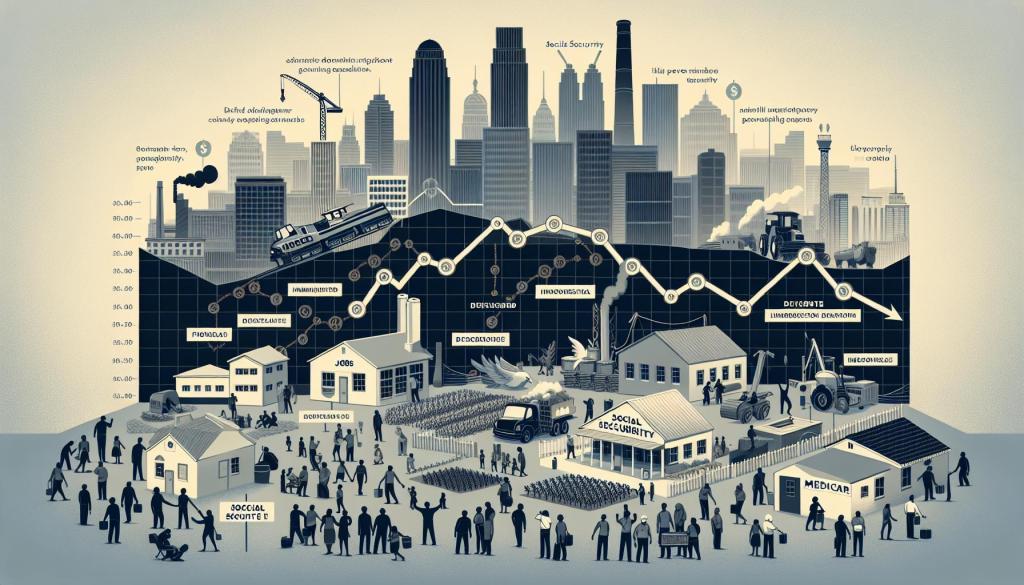
Deporting Growth: The Economic Stakes of Mass Immigration Crackdowns
Introduction Mass deportation is often sold as an economic cure-all—freeing jobs, lifting wages, and reducing fiscal burdens. The evidence assembled in this report points in the opposite direction. We first frame deportation as a large negative labor shock, showing how it reduces output, disrupts capital investment, and depresses wages even… Listen ⇢
-
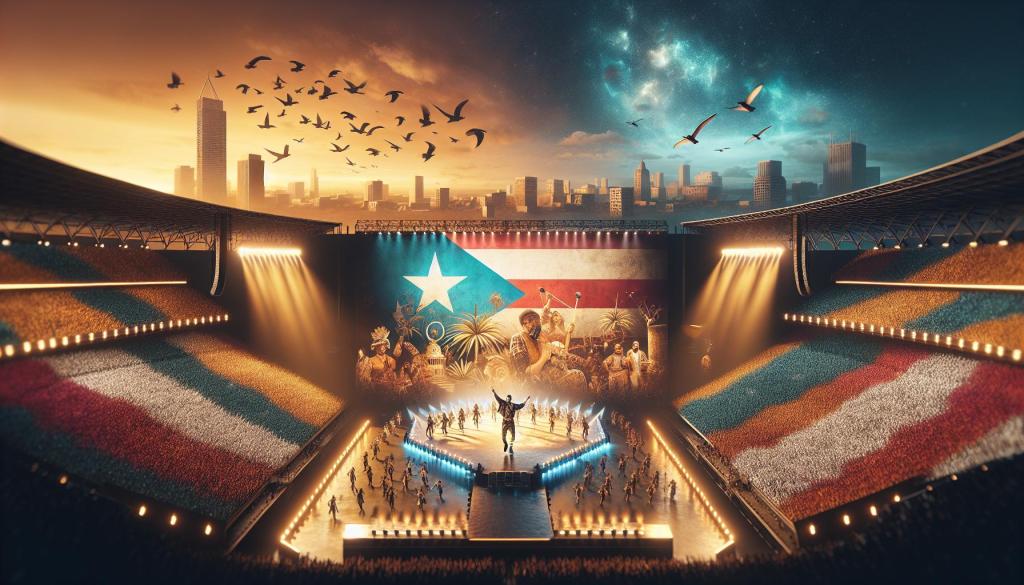
From Colony to Center Stage: Puerto Rico’s History in Bad Bunny’s Super Bowl Halftime
Introduction This report traces how Bad Bunny’s 2026 Super Bowl halftime show transformed a corporate mega‑spectacle into a dense archive of Puerto Rico’s colonial past and contested present. First, it unpacks how plantation imagery, blackout‑ridden infrastructure, and the once‑banned light‑blue flag visually narrate five centuries of empire and resistance. It… Listen ⇢
-
First Lesson of History: We Will Not Learn From It
Introduction Across politics, finance, and technology, we invoke history as a guide—yet we reliably reenact the crises we claim to remember. This paper examines that paradox. First, it probes why “learning from the past” so often means forcing messy events into simplistic analogies that justify what we already want to… Listen ⇢
-
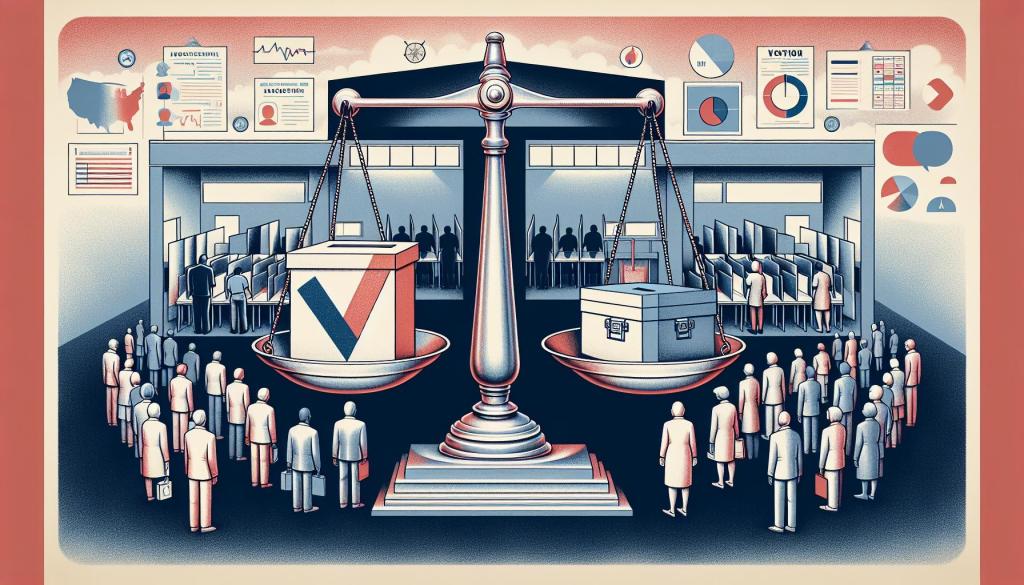
Do Voter ID Laws Protect Elections—or Distort Them?
Introduction Voter ID laws sit at the center of a fierce debate over how to balance ballot access and election security. This report examines what the best available evidence actually shows: how strict ID requirements affect turnout overall, who bears the greatest costs, and whether these rules meaningfully deter fraud.… Listen ⇢
-
Power, Proximity, and the Politics of Disclosure: Understanding the New Epstein Files Dump
Introduction The January 2026 release of more than three million new pages of Epstein‑related records—along with 2,000 videos and 180,000 images—was sold as a decisive act of transparency. Instead, it has exposed how power, proximity, and prosecutorial discretion still shape what the public is allowed to see. This report examines… Listen ⇢

-
Would Kevin Warsh Rewrite the Fed’s Playbook?
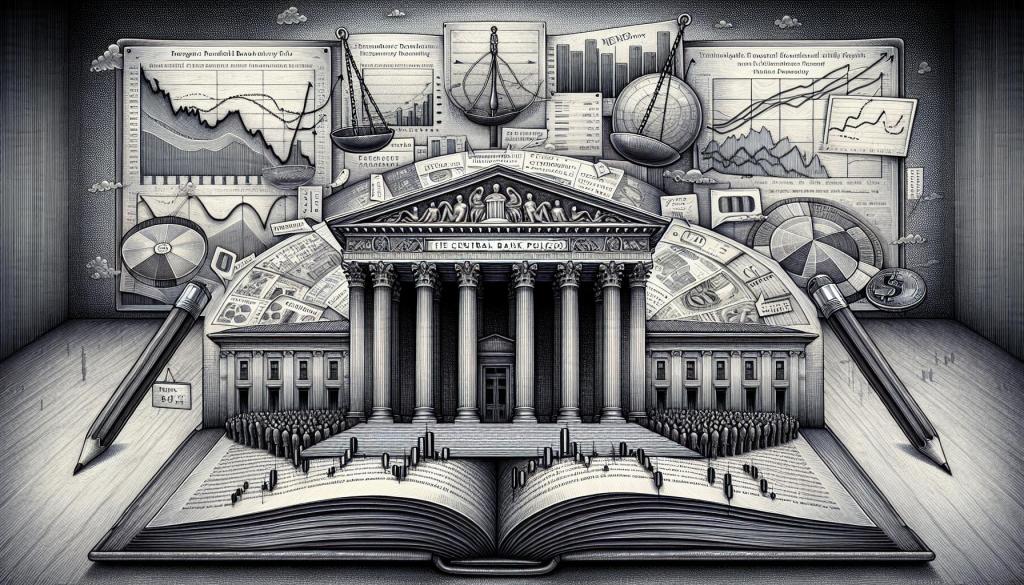
Introduction Kevin Warsh’s prospective elevation to Federal Reserve chair raises a central question: would he fundamentally redirect the institution away from the Bernanke–Yellen–Powell paradigm? This report examines three dimensions of that potential regime change. First, it explores Warsh’s preference for rules‑based policy, a smaller balance sheet, and a sharp pullback… Listen ⇢
-
Spirit of ’76 Theme for February: History
It is February 2026 and to kick off the new month the Spirit of ‘76 theme is History. While Stoicism was a natural starting point to prepare for the journey ahead, we can’t move to the present and future without a reckoning of the past, making History a natural next… Listen ⇢

-
Civil Disobedience in the United States: Tradition, Tactics, and Futures
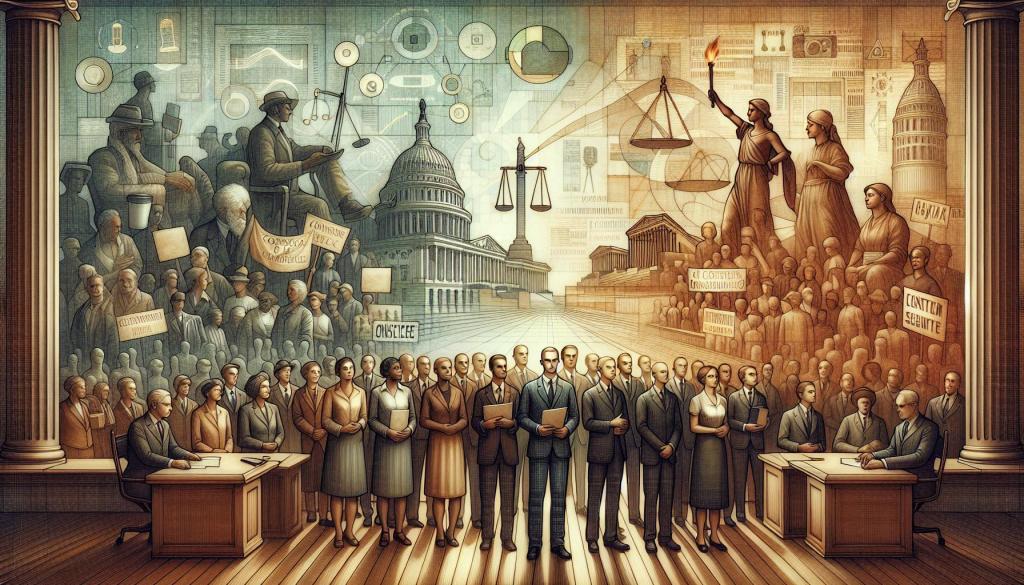
Introduction Civil disobedience is often invoked, rarely defined, and frequently misunderstood. This report clarifies what civil disobedience is—and is not—by returning to the American tradition from Thoreau to King and Rawls’s influential account of public, nonviolent, conscientious lawbreaking. It then examines how this practice fits within, and tests the limits… Listen ⇢
-
“Hopes and Prayers” as a Stoic Mantra: From Cliché to Inner Discipline
Introduction “Hopes and prayers” is often dismissed as a hollow cliché—especially when it appears after public tragedy without corresponding change. This report reimagines the phrase as a demanding inner practice rather than sentimental noise. First, it explores how Christian Philokalic prayer and Stoic assent both treat thoughts as material for… Listen ⇢

-
Subscribe
Subscribed
Have a WordPress.com account? Log in now.

