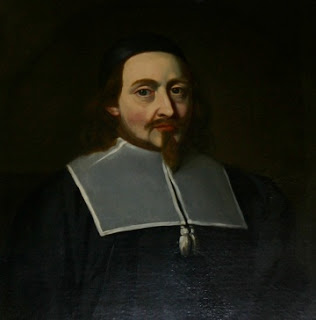
A letter written to King Charles II on September 13, 1660, from Governor John Endecott, regarding the execution of Mary Dyer and other Quakers for the crime of spreading their banned religious ideas.
Concerning the quakers, open, and capitall blasphemers, open seducers from the glorious Trinity, the Lord’s Christ, our Lord Jesus Christ, the blessed gospell, and from the holy scriptures as the rule of life, open enemies to government itselfe as established in the hands of any but men of their owne principles, malignant and assiduous promoters of doctrines directly tending to subvert both our churches and state, after all meanes for a long time used in vaine, we were at last constrained, for our owne safety to passe a sentence of banishment against them upon pain of death. Such was their dangerous and impetuous and desperate turbulency to religion and to the state civill and ecclesiasticall, as that how unwilling soever (could it have been avoyded) the magistrate at last, in conscience both to God and man, judged himself called for defense of all, to keep the passage with the point of a sword held toward them; this could do no harm to him that would be warned thereby, their wittingly rushing themselves thereupon was their owne act, we with all humility conceive a crime bringing their blood upon their owne head. The quakers died, not because of their other crimes how capitall soever, but upon their superadded presumptious and incorrigible contempt of authority breaking in upon us, notwithstanding the sentence of banishment made known unto them; had they not been restrained, so far as appeared, there was too much cause to fear that we ourselves must quickly have died or worse, and such was their insolency that they would not be restrained but by death; nay, had they at last but promised to depart the jurisdiction, and not to returne without leave from authority, we should have been glad of such an opportunity to have said they should not dye.
John Endecott, Governor, in the name and by the order of the General Court of the Massachusetts Bay Colony.

 Realizing News
Leave a comment